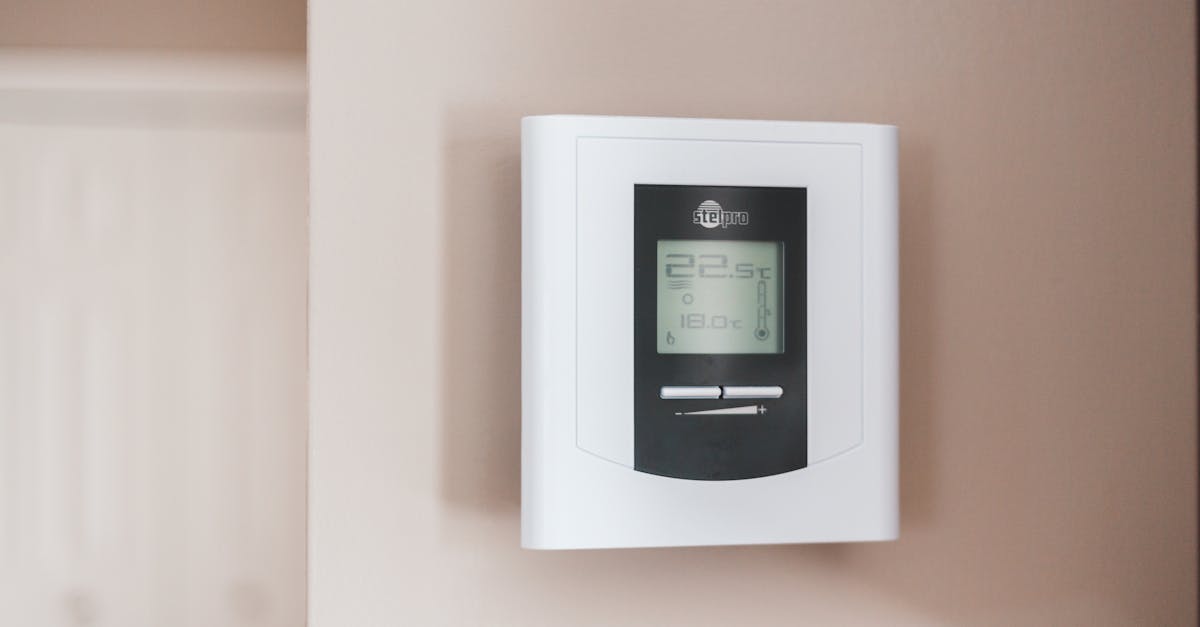
Three Weeks Without a Smart Thermostat: My Heating Bill Revelation
For years, I bought into the promise of smart home technology. “Optimize your energy usage,” the marketing materials for my smart thermostat proclaimed. “Learn your habits, save money automatically.” Like many, I eagerly installed it, configured the schedules, and watched the app supposedly crunch numbers. I even boasted to friends about my “smart” home, believing I was on the cutting edge of energy efficiency. Fast forward to last winter, though, and my heating bills were still stubbornly high. Not astronomical, but certainly not the significant savings I’d been led to expect. It was frustrating, and I started to question if all that “intelligence” was really doing anything for my wallet.
TheThe breaking point came when the Wi-Fi module on my smart thermostat inexplicably died. For three weeks, while I waited for a replacement and debated if it was even worth the hassle, I was forced back to a basic, manual thermostat. No app control, no geofencing, no “learning.” Just a simple up and down arrow, and a toggle for heat or cool. What started as an inconvenience quickly turned into a revelation. My heating bill dropped, not dramatically, but noticeably. And it wasn’t just about the money; I learned some profound lessons about human behavior, energy consumption, and the true cost of convenience that I hadn’t anticipated.
Key Takeaways
- Smart thermostats often introduce hidden energy drains through their advanced features, offsetting touted savings.
- Manual temperature adjustments, driven by actual comfort, can be more efficient than automated schedules.
- Over-reliance on smart tech can disconnect you from your home’s energy consumption patterns.
- Simplicity in climate control can lead to unexpected financial and behavioral insights.
The Illusion of ‘Set It and Forget It’ Savings
One of the biggest selling points of smart thermostats is the idea that you can “set it and forget it,” and the device will intelligently optimize your energy usage. In my experience, this is often an illusion that can actually increase your energy consumption, not reduce it. My smart thermostat, for example, had geofencing. The idea was brilliant: it would know when I left the house and automatically adjust the temperature down, then warm up before I returned. The problem? Life isn’t always predictable.
There were countless times I’d be running a quick errand, just 30 minutes, and the thermostat would register me as “away,” dropping the temperature from 70°F to 65°F. The moment I started heading home, it would detect my approach and kick back up to 70°F. While this sounds efficient in theory, the energy required to bring the house back up that 5 degrees for a short period, especially in an older home like mine with less-than-perfect insulation, often negated any savings from the brief setback. The constant cycling, the effort to recover heat, was a subtle but consistent drain. With the manual thermostat, if I was only gone for a short dash, I’d simply leave it alone. If I was gone for hours, I’d manually drop it to 60°F or even 55°F, knowing it would be a longer, more impactful setback. The smart thermostat, in its quest for micro-optimization, was actually causing more frequent, less efficient heating cycles.
Furthermore, many smart thermostats, mine included, have features like “early start” where they learn how long it takes to reach a target temperature and begin heating ahead of schedule. Again, sounds smart. But when you factor in external variables like sudden drops in outside temperature or unexpected drafts, the thermostat might overcompensate, heating for longer or to a higher degree than necessary. It’s an algorithm trying to predict a dynamic, unpredictable environment. When I went manual, I was the algorithm. I knew my house, I felt the outdoor chill, and I could anticipate needing to bump the heat a bit earlier, or keep it lower if a sunny winter day was warming the south-facing windows. The “set it and forget it” promise inadvertently led to less precise, and ultimately less efficient, control.
Reclaiming the ‘Feel’ for Comfort and Consumption
The most profound shift I experienced during my three weeks without a smart thermostat was reconnecting with my actual comfort levels and, by extension, my home’s energy consumption. When you have a smart thermostat, you often rely on predefined schedules and passive adjustments. You might set it to 68°F and just assume that’s the ideal. But comfort is fluid.
With the manual thermostat, I had to actively engage. Is 68°F truly comfortable right now, or am I wearing a thick sweater and could easily drop it to 66°F for an hour? Did the sun just come out, making 65°F perfectly adequate? Conversely, is a cold draft creeping in that warrants a temporary bump to 69°F? I began to feel the temperature, rather than just read a number on an app. This direct feedback loop made me much more intentional about my heating. I wasn’t just outsourcing my comfort to a piece of tech; I was actively managing it.
What changed everything for me was this active engagement. I realized that my previous reliance on the smart thermostat had created a detachment. I was passively accepting its decisions, even when my body might have been signaling otherwise. This newfound awareness led to more frequent, but smaller and more impactful, adjustments. Instead of letting the smart thermostat decide I needed 68°F because the schedule said so, I’d often keep it at 66°F or 67°F for longer periods, only bumping it up when truly needed. This minute-by-minute, hour-by-hour responsiveness, driven by my actual experience, was surprisingly more energy-efficient than the automated, rigid schedules. The mistake I see most often is people thinking smart tech provides true optimization when it often just provides convenient automation, which are not always the same thing in the context of personalized comfort and nuanced energy needs.
The Psychological Cost of Constant Connectivity
Beyond the tangible heating bill, there was an unexpected psychological benefit to ditching the smart thermostat. The constant connectivity, the ability to check and adjust the temperature from anywhere, while pitched as a convenience, often felt like another tiny thread of digital tether. I found myself checking the app from work, just to “confirm” the house was warming up, or dropping it down. It was a minor, almost unconscious anxiety loop – another notification, another micro-decision point in an already digitally saturated life.
During my three weeks manual, that tether was gone. The house’s temperature was whatever I left it at. I set it, and then I forgot about it completely. There was a subtle but noticeable reduction in mental clutter. I wasn’t optimizing; I was living. This forced disconnection from a seemingly innocuous smart device allowed me to be more present in other areas of my day. It’s easy to dismiss these small digital interactions as harmless, but in my experience, they add up. Every app check, every notification, every remote adjustment is a tiny mental transaction, drawing your attention away from whatever you’re actually doing. The absence of this constant feedback loop was surprisingly liberating and contributed to a greater sense of calm.
This isn’t to say that remote control is never useful. If I was going on a long vacation, the ability to control my thermostat remotely would be invaluable for preventing frozen pipes or managing extreme temperatures. But for my day-to-day life, within a 10-mile radius, the constant digital connection was a solution looking for a problem I didn’t truly have, and it came with an unseen psychological cost.
The True Value of Simplicity in Energy Management
What truly changed everything for me was the stark realization that simplicity, when it comes to energy management, often trumps complexity. My manual thermostat wasn’t learning my habits, it wasn’t connected to the internet, and it certainly wasn’t bragging about its algorithms. But it was effective because it put me, the homeowner, firmly in control based on real-time needs and sensations.
I started taking a more holistic view of my home’s temperature. If I was planning to bake, I’d intentionally drop the thermostat a degree or two, knowing the oven would contribute significant heat. If I knew guests were coming, generating more body heat, I’d adjust accordingly. These are nuances a smart thermostat, even with its learning capabilities, struggles to grasp or integrate effectively without explicit input. The most impactful changes I made were behavioral: wearing an extra layer indoors, opening blinds on sunny days, closing them to insulate on cold nights. These simple, human-driven actions, combined with deliberate manual thermostat adjustments, yielded more consistent comfort and better energy savings than any automated schedule had.
This experience highlighted a fundamental truth: technology is a tool, but it’s not a replacement for conscious engagement and understanding. For me, the smart thermostat had become a crutch, an outsourced brain that wasn’t as smart as I was for managing my unique home and my specific comfort. The perceived value of automated savings was largely overshadowed by its actual inefficiency and subtle psychological drain. The true value lay not in the smart features, but in my active, intentional management of my environment. Ultimately, I realized that true financial clarity in energy consumption comes from mindful decision-making, not just handing over control to an algorithm.
Frequently Asked Questions
Can smart thermostats truly save money on heating bills?
Yes, but it depends heavily on your home’s insulation, your actual usage patterns, and how you configure the smart features. In my experience, aggressive use of features like geofencing for short absences can actually increase energy consumption due to frequent cycling. Real savings often come from long, deep temperature setbacks when truly away, or from homeowners actively engaging with energy consumption rather than relying solely on automation.
Is it always better to keep a house at a constant temperature?
Not necessarily. While some argue that keeping a constant temperature avoids energy spikes from reheating, the total energy consumed is typically higher than if you set back the temperature significantly when you’re away or asleep. The key is the duration of the setback and your home’s ability to efficiently regain heat. A large, well-insulated home might benefit differently than an older, draftier one.
How accurate is a smart thermostat’s “learning” capability?
Smart thermostats learn patterns over time, but they can struggle with unpredictable factors like sudden weather changes, unique household schedules, or heat generated from activities like cooking. In my case, this often led to less efficient heating cycles than my manual, real-time adjustments based on actual comfort and external conditions.
What are some simple, low-tech ways to save on heating bills?
Focus on behavioral changes: wear warmer clothes indoors, utilize natural sunlight by opening curtains during the day and closing them at night for insulation, seal drafts around windows and doors, and manually adjust your thermostat based on your immediate comfort needs and when you’re actually home. These simple actions can often yield more significant savings than complex smart features.
Should I switch back to a manual thermostat?
For many, a smart thermostat offers valuable convenience, especially for remote control during long absences. However, if you’re finding your heating bills stubbornly high and you suspect your smart thermostat isn’t performing as expected, consider a temporary switch to a manual thermostat. It can offer valuable insights into your actual energy consumption and comfort preferences, allowing you to fine-tune your approach or better leverage your smart device’s features. For me, it was a revelation that led to more intentional, and ultimately more cost-effective, home heating.
Written by Emily Chen
Wealth management, insurance, and tax-efficient strategies
A certified financial planner (CFP®), Emily brings a professional perspective to optimizing financial decisions for families and individuals.
You Might Also Like

20 Percent on Retirement Savings: A Trajectory Shift, Not Just a Benchmark
Discover why saving 20% of your income for retirement isn't just a goal, but a transformative strategy for accelerating wealth and achieving financial independence faster.

3 Non-Obvious Benefits of a Credit Card Annual Fee
Discover the hidden value beyond points and miles. Learn three non-obvious benefits of credit card annual fees from an expert.

A Beginner's Guide to Simple Index Fund Investing
Learn how to start investing in index funds with a straightforward, long-term strategy that builds wealth, avoiding common pitfalls and complex approaches.